
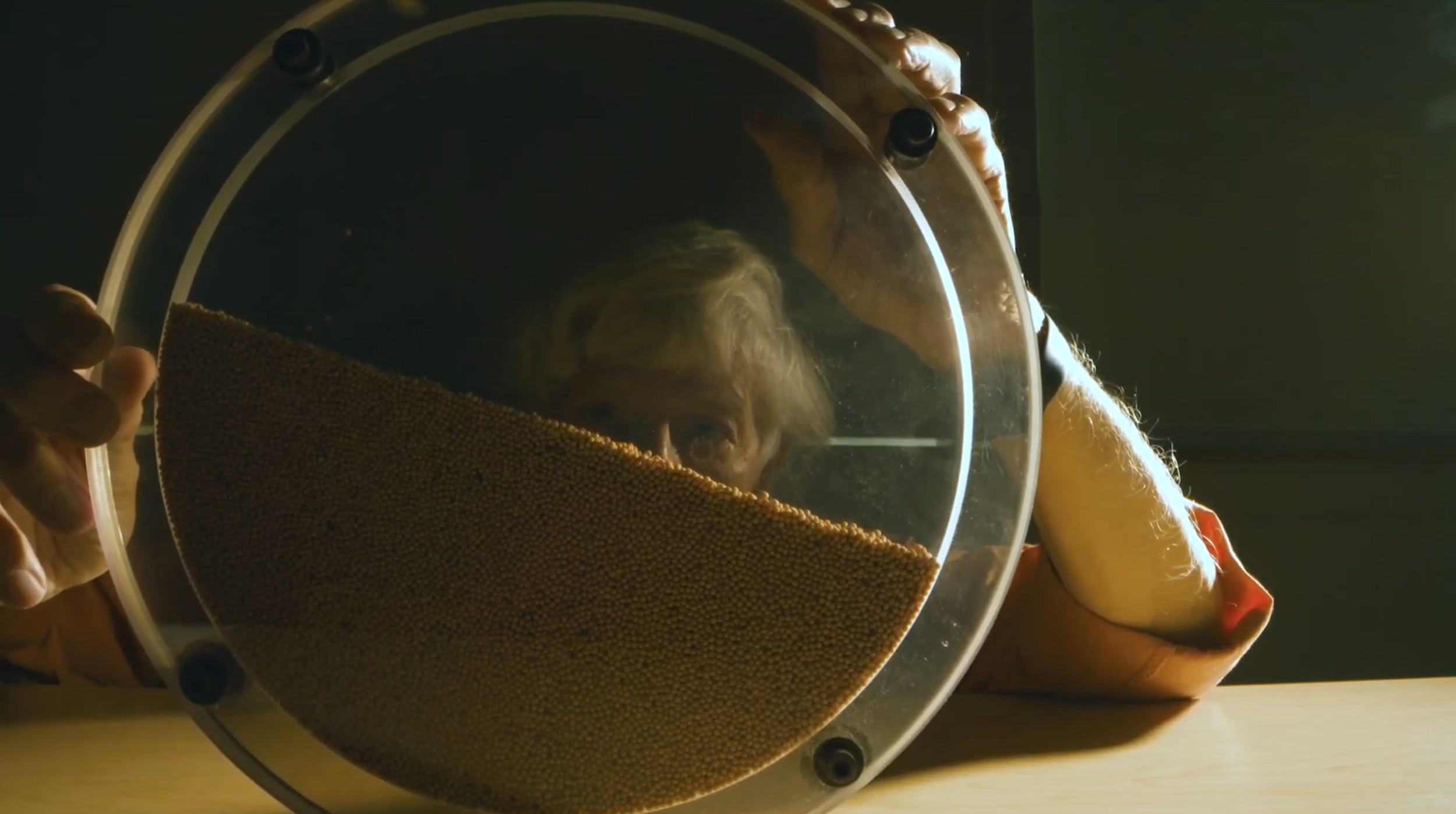
AWARDEE: Sidney R. Nagel
FEDERAL FUNDING AGENCIES: National Science Foundation, Department of Energy
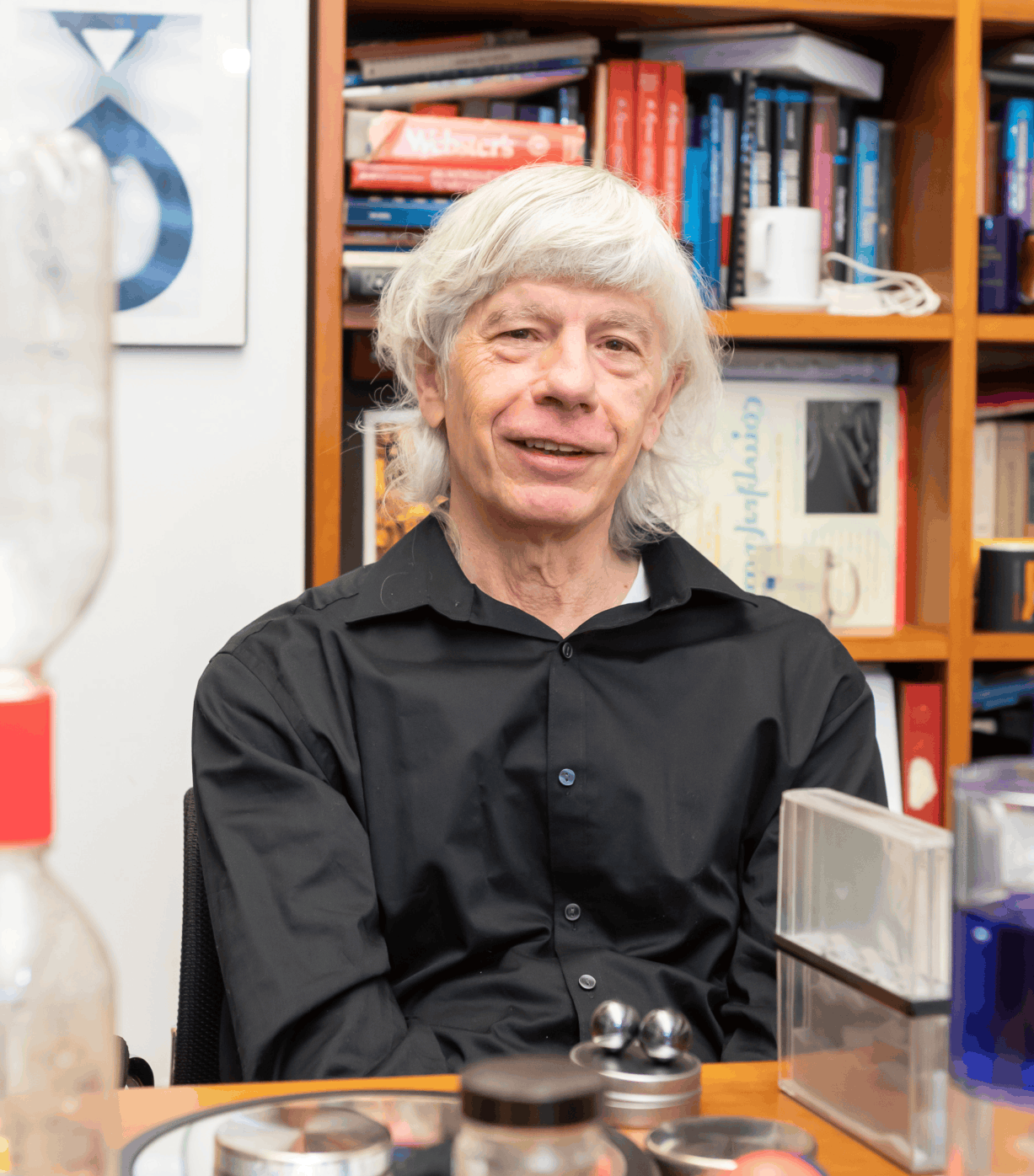
Sidney Nagel (Nancy Wong)
Sidney Nagel has spent his career uncovering the hidden physics behind commonplace, yet unexpectedly subtle phenomena and finding beauty in nature’s bounteous disorder. Why does spilled coffee leave behind a stain only around its perimeter? How does sand flow, jam, or shift under pressure? What determines the shape and motion of a splashing water droplet? Such events are all around us, yet they often escape serious inquiry. Nagel has been compelled by these questions. Recognizing that seemingly ordinary experiences can conceal profound scientific mysteries, he has pursued questions that many researchers initially dismissed as too ordinary or inconsequential to matter. Nagel’s curiosity-driven investigations, supported by funding from the National Science Foundation and U.S. Department of Energy, have revealed fundamental principles that govern materials whose parts are arranged in seemingly random ways. In turn, these seemingly mundane observations have been applied to a wide range of real-world applications, including improved inkjet printing technologies, safer and more efficient grain silo designs, enhanced industrial mixing and power-handling processes, improved diagnostic techniques that analyze dried blood and saliva droplets, and many more.
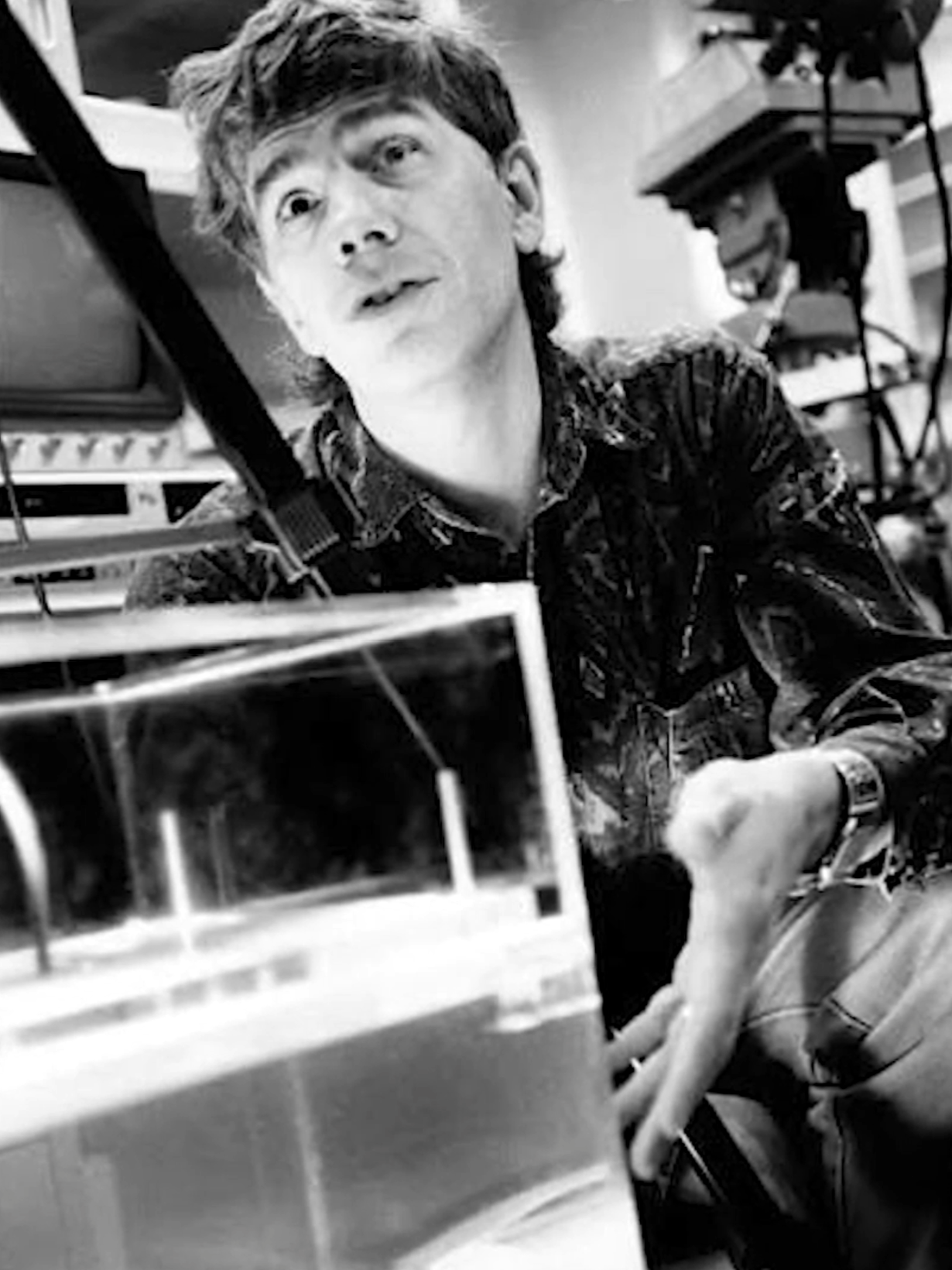
Sidney Nagel
Uncertainty, Opportunity, and Disorder
After earning his bachelor's degree from Columbia University in 1969 and a Ph.D. in physics from Princeton University in 1975, Nagel spent two years as a research associate at Brown University before joining The University of Chicago as a junior faculty member in 1976.
As a young physicist, Nagel found the prospect of building his own research laboratory from scratch both daunting and paralyzing. Upon arriving at The University of Chicago, he received start-up funding from his department and felt pressure to invest in equipment that could serve as the foundation for this future work. “I thought that I would do photoemission spectroscopy,” Nagel recalls. With that in mind, he purchased an analyzer for the work. But when the equipment arrived, his enthusiasm quickly faded. “I looked at the pieces that came in the box and had no interest in putting [them] together,” he says. Eventually, he gave components of the apparatus to his colleagues who could make better use of them.
“I remember spending months just sitting in my office trying to figure out what piece of science I could do that would be interesting and worth undertaking,” Nagel recalls. “No direction was obvious to me.”
Over time, he began investigating the properties of metals and other condensed-matter systems. In the process, he realized that he did not need to build a laboratory centered on a single technique or specialty. Instead, he could create a versatile lab capable of pursuing a wide range of experiments—an approach that differed from the more specialized laboratories common at the time. The decision proved advantageous. By maintaining a flexible approach, Nagel and his collaborators could examine scientific questions from multiple perspectives and rapidly shift directions as new scientific questions emerged.
While this approach provided opportunities to explore scientific questions in the laboratory, computer modeling (also known as “simulation”) was also emerging as a new tool for studying different physical phenomena; however, at that time, it was regarded with suspicion in some quarters since it did not fall neatly into experimental or theoretical categories of research. Nagel recalls, “While I understood that it crossed boundaries, I always thought that the simulations I did were a form of experiment because they provided data.” When Nagel gave his tenure talk, which drew upon his simulation work, senior colleagues insisted that he give a second tenure talk on a different topic that was based solely on an actual experiment.
Nagel continued his observational experimentation which led him to examine a wide range of materials that could be classified as “disordered,” meaning they lack clear patterns in the structure of their constituent particles. Examples of disordered materials include glass, whose atoms are jumbled together rather than in neat, repeating rows; granular materials such as sand, whose grains pile up randomly, like marbles poured into a container; and water, whose molecules are constantly moving and mixing rather than remaining in a fixed arrangement.
Nagel’s research on disordered matter began with the study of glass. As he notes, however, “disorder occurs nearly everywhere in nature, including at the macroscopic scale.” This realization propelled him to investigate a broad range of phenomena, many of which were questioned by his colleagues as “not being serious science.”
Sand That Flows Like Water and Stands Like Stone
Granular materials presented a deceptively complex challenge. Sand, powders, and grains are everywhere: accessible, familiar, and inexpensive to study. Yet they cannot be easily classified as either solids or liquids. Their apparent simplicity masks profound scientific questions. For Nagel, this was precisely the appeal. In soft matter physics, he has argued, progress often comes not from increasingly elaborate technical feats but from asking new questions that lead researchers into unexplored territory. Granular systems brought researchers into direct contact with disorder, nonlinear behavior, and far-from-equilibrium phenomena, areas where intuition often fails and even the right questions remain elusive. Although sandpiles had been studied for decades, most notably in the engineering literature, their appearance in physics had focused on mathematical models rather than on laboratory observations of their fascinating dynamics and structure. Nagel and his collaborators recognized that granular matter offered a unique opportunity to investigate fundamental physics in systems that could be observed directly on a tabletop, a scale of inquiry often undervalued.
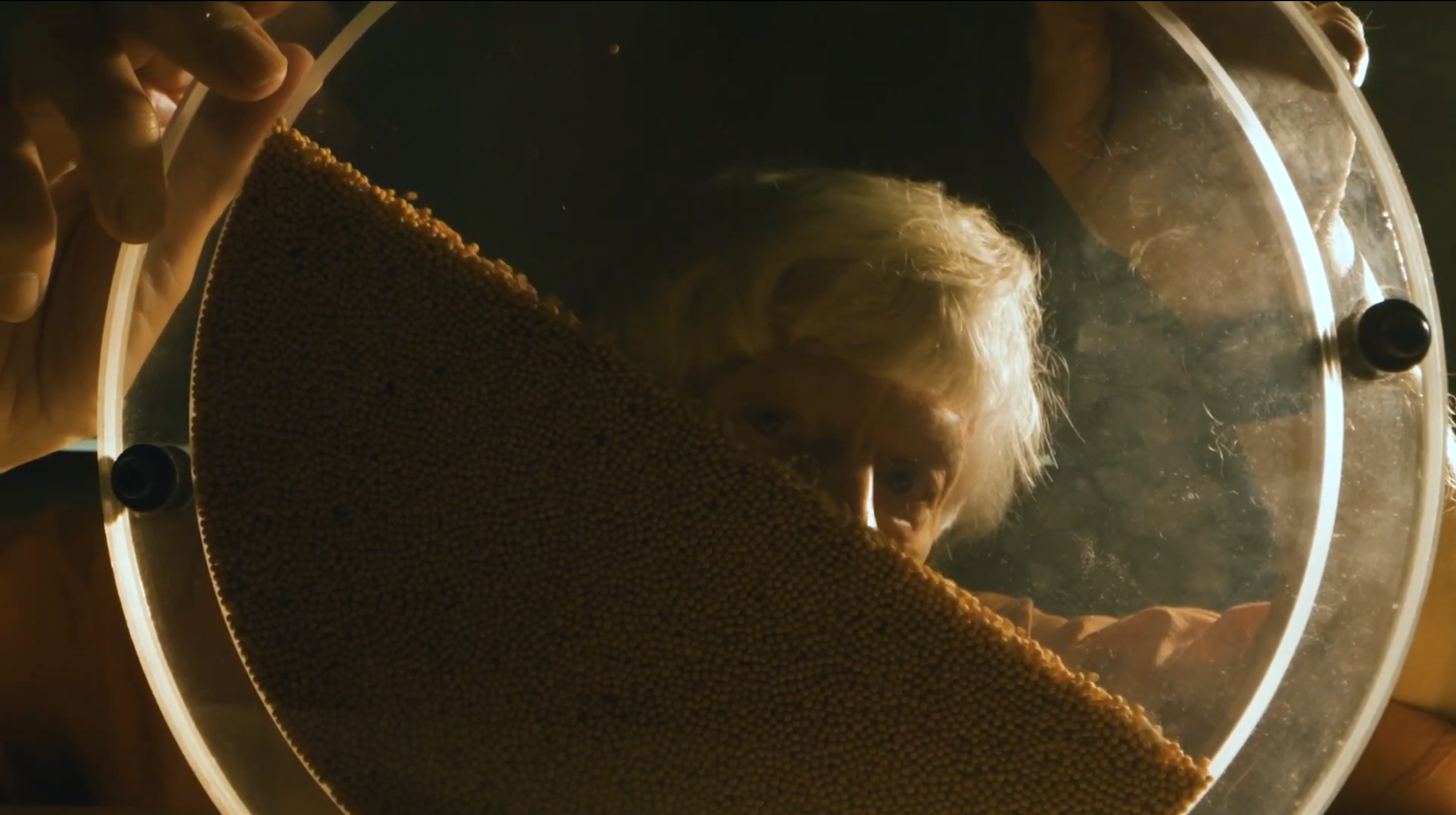
Sidney Nagel (522 Productions)
Through experiments in the 1980s and 1990s, Nagel and Heinrich Jaeger, first as Nagel's postdoctoral researcher and later as a longtime faculty colleague, demonstrated that granular materials occupy an unusual middle ground between solids and liquids. Sand can flow through an hourglass like water yet also support weight like stone, and under the right conditions, it can abruptly switch between these states. Together with their collaborators, they identified several universal features underlying granular behavior, from the way in which forces are transmitted to how packed sand’s density increases over time. They revealed how shaking grains in a container can generate granular convection, when granular materials create a circulation pattern similar to heated fluid when shaken. In one particularly influential study, they showed that the “Brazil nut effect,” in which larger particles rise to the top of a shaken mixture, results primarily from these convection currents. This challenged a long-held assumption that smaller particles simply wedge themselves beneath bigger ones during vibration, leading to the larger particles being forced upwards to the container top. Together with Andrea Liu, Nagel then helped develop the concept of jamming, in which a collection of particles suddenly becomes rigid when density, stress, or other conditions cross a critical threshold.
These discoveries helped establish granular physics as a central area of soft matter research while also yielding insights with significant real-world consequences. Industries that handle powders and grains, including food production, pharmaceuticals, mining, and manufacturing, routinely contend with clogging and jamming that can dramatically reduce efficiency. Nagel's studies of force transmission, compaction, jamming, and granular convection helped explain why these materials often do not behave like either conventional solids or liquids. The resulting insights have informed improvements in silo design, powder transport, and industrial mixing processes. In some cases, the stakes are particularly high: in pharmaceutical manufacturing, for example, the segregation of powdered ingredients can disrupt the distribution of active compounds in medications, including anti-malarial drugs, with potentially serious consequences for product quality and safety. Through these applications, Nagel’s research demonstrates that understanding the physics of something as commonplace as a pile of sand can reshape both fundamental science and industrial practice.
A Splash Without Air is No Splash at All
Nagel's studies of fluid dynamics grew naturally from his earlier work on granular matter. "Once we started exploring granular physics in the macroscopic world," he recalled, "we became sensitized to many other examples that existed at this large-enough-to-see scale." Among the most captivating was what he came to call "the life and death of a drop." For Nagel, droplets offered more than a visually striking subject. They provided a window into the complex behavior of systems far from equilibrium. At the same time, they embodied another aspect of his scientific philosophy: the conviction that careful observation of beautiful, everyday phenomena can reveal fundamental principles that might otherwise remain hidden.
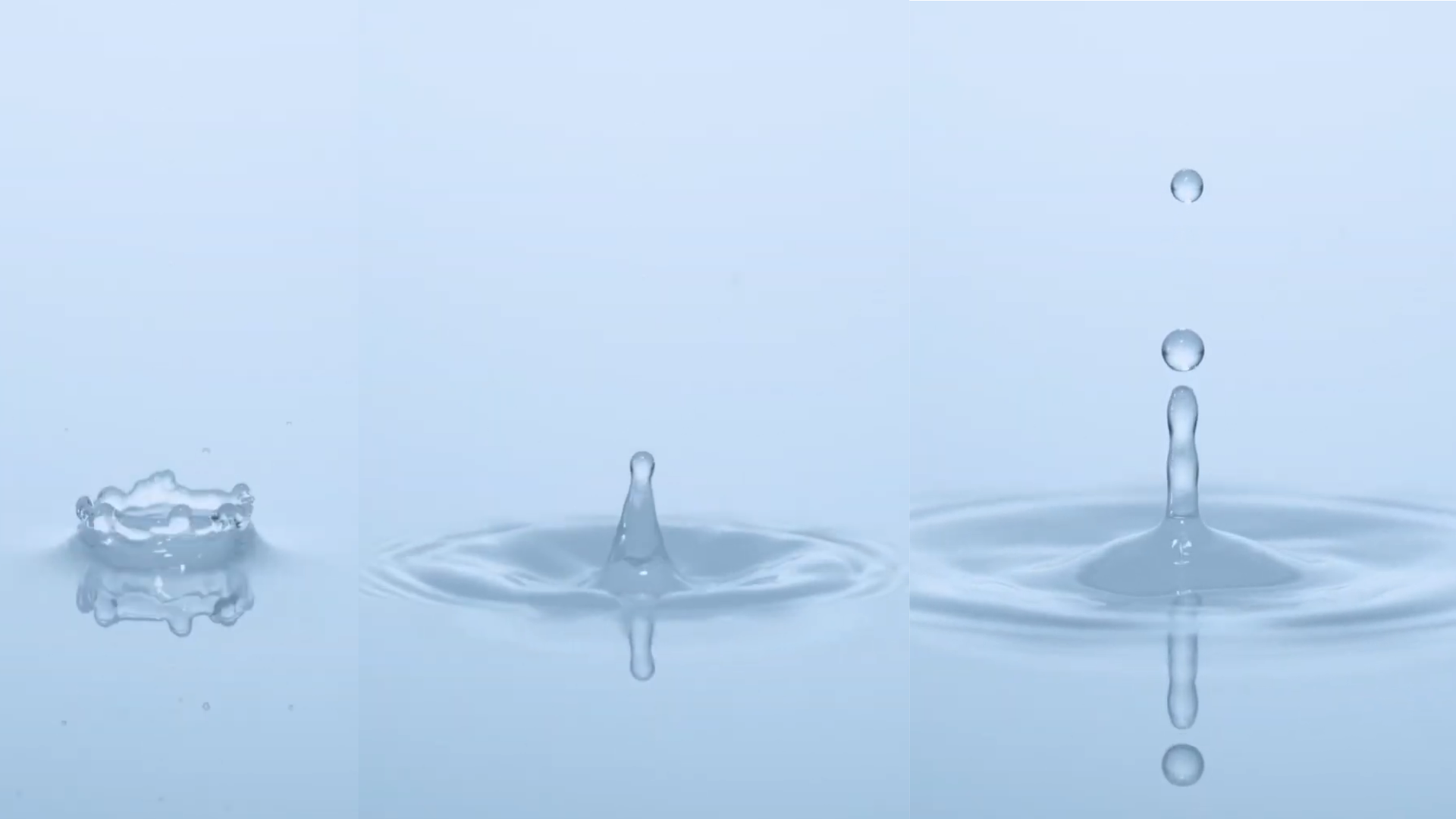
“The life and death of a drop”
Using high-speed photography to capture the instant a liquid drop struck a surface, Nagel and his collaborators uncovered one of the most surprising discoveries in fluid dynamics. Conventional wisdom held that splashing was determined primarily by the properties of both the liquid and the surface on which the drop fell. Nagel therefore hypothesized that removing the surrounding air, which was thought only to impede the motion of droplets emitted by the drop-substrate collision, might produce an even more dramatic splash. Instead, the opposite occurred. As air pressure was reduced, the splash diminished until it disappeared altogether. This counterintuitive result challenged the long-standing view that splashing is governed primarily by the liquid's viscosity, surface tension, size, and impact velocity as well as by the rigidity and roughness of the substrate. Rather, Nagel's experiments revealed that the surrounding air plays a crucial and previously underappreciated role in generating a splash in the first place.
The implications of this observation extended well beyond the experimental work. Understanding how droplets spread, break apart, and splash is important in applications ranging from inkjet printing and spray coating to fuel injection, pesticide delivery, and disease transmission. Nagel's work helped scientists think more about drop impacts and inspired a new generation of research into fluid-air interactions at small scales. Just as importantly, the images produced in his laboratory became emblematic of his belief that science and aesthetics are not separate pursuits. By capturing droplets in exquisite detail, his group revealed both the hidden physics and the visual beauty of a phenomenon that most people encounter daily but rarely pause to examine.
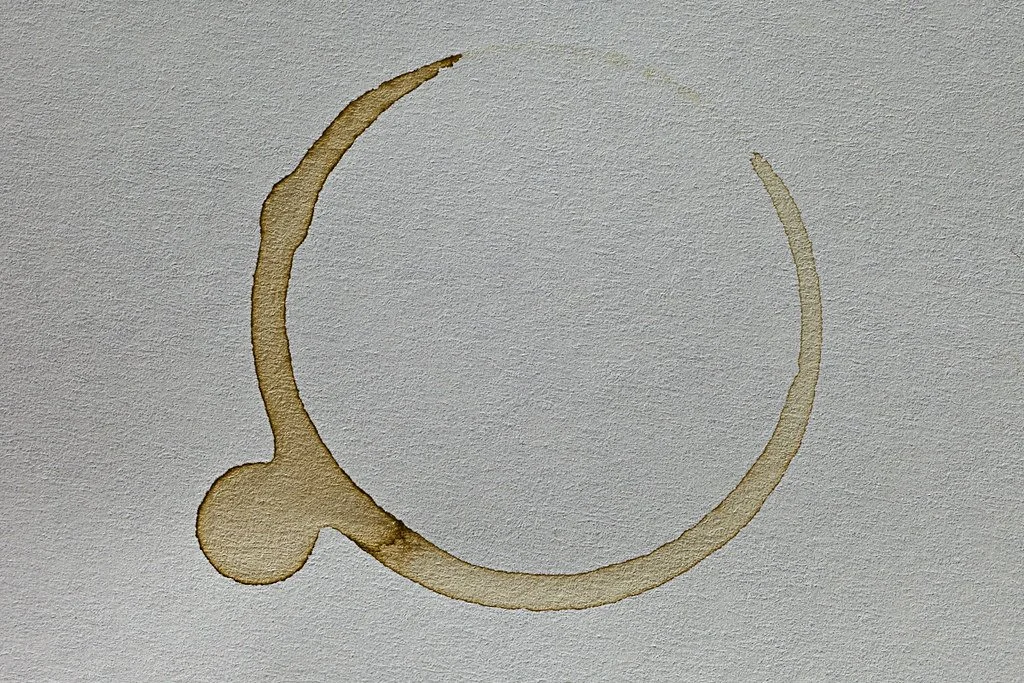
Dried coffee stain
The Mystery of a Coffee Ring
Nagel's investigation of droplets did not end when the splash disappeared. If splashing marked the death of a drop, evaporation left behind its lingering memory: a stain tracing where it once existed. Together with physicist Tom Witten and mathematician Todd Dupont, Nagel began considering what remains after a droplet disappears. The question emerged from an ordinary observation. As Nagel later recalled, he noticed coffee stains left on his countertop and was struck by a simple contradiction: although most of the liquid initially occupied the center of the drop, nearly all of the pigment was deposited at the edge once the droplet dried. For a scientist drawn to surprises, this seemingly mundane phenomenon posed a compelling mystery to explore.
Through a series of simple, though time-consuming, experiments—including observing coffee drops drying, tracking microscopic particles during evaporation, and testing a variety of liquids, materials, and surfaces—the team uncovered the mechanism behind the now-famous "coffee-ring effect." As a droplet evaporates, liquid is lost fastest along its perimeter. To replenish this loss, fluid flows outward from the center, carrying suspended particles with it and depositing them at the edge. The result is the familiar ring left behind by coffee, saltwater, and countless other drying liquids. Even more remarkable was the discovery's universality: the same pattern emerged across a wide range of liquids, surfaces, and particle types. The coffee ring was not a peculiarity only of coffee but the result of a general process that drives particles toward the edge of a drying droplet. The finding challenged long-held assumptions about what happens when a drop dries and revealed that evaporation can actively organize matter rather than simply leave it behind. Published in Nature in 1997, the work quickly became one of the most influential studies of pattern formation and fluid dynamics.
The discovery of the coffee-ring effect quickly found applications far beyond the kitchen countertop. The work gave scientists and engineers a framework for understanding and controlling how particles are deposited as liquids evaporate, a problem central to technologies such as inkjet printing, surface coatings, and microfabrication. In the years that followed, researchers developed methods to suppress, enhance, or redirect coffee-ring formation in order to produce more uniform printed electronics, diagnostic sensors, and engineered materials. The insights also proved valuable in fields ranging from biomedical testing to semiconductor manufacturing, where the precise placement of microscopic particles can determine the performance and reliability of a final product. What began as an attempt to explain a common stain ultimately helped to inform technologies that rely on controlling matter at microscopic scales.
An Impactful Legacy of Curiosity
At the time, Nagel's decision to investigate coffee stains, splashes, and sandpiles struck many physicists as eccentric, even frivolous. Physics in the 1980s and 1990s was often focused on elegant, highly controlled systems that promised clean mathematical descriptions and universal laws. In contrast, Nagel gravitated toward commonly observed phenomena that seemed too messy, mundane, or disordered to warrant serious study. He recalls overhearing a colleague remark, "I don't know what's the matter with him. He used to have a promising career in science." Skepticism extended beyond his choice of research topics. Some researchers questioned his interest in capturing visually compelling images of physical phenomena, arguing that aesthetics had little place in scientific inquiry.
Time proved otherwise. His high-speed experimental images, celebrated for both their scientific value and visual beauty, have since been exhibited in art museums and science centers, engaging the public in the wonder of physics. The questions that emerged from Nagel's studies of granular materials, splashing droplets, and coffee stains produced impacts across science, engineering, and industry. His work has influenced healthcare, where understanding fluid and particle dynamics aids diagnostic testing. For example, insights from coffee-ring physics have informed technologies that analyze dried blood or saliva droplets, offering low-cost diagnostic tools in resource-limited settings. His observations of the coffee-ring effect provided engineers with a framework for controlling particle deposition in inkjet printing and related manufacturing processes, helping to make them more efficient. By understanding and directing particle flows during evaporation, companies have improved print quality and enabled uniform coatings essential in microfabrication, printed electronics, and biomedical devices. His splash research has also informed pharmaceutical manufacturing, helping reduce cross-contamination during production. What began as investigations of seemingly trivial curiosities ultimately advanced our understanding of complex, disordered systems and continues to influence both fundamental research and real-world applications.
Professionally, Nagel became a key figure in establishing soft matter physics as a respected discipline. Equally important is the legacy he has built through the people he has trained. He has cultivated a laboratory culture in which curiosity is valued as highly as technical expertise and where students are encouraged to pursue seemingly naïve questions through direct experimentation. For Nagel, teaching has not simply been about imparting knowledge but about fostering a sense of wonder. His mentorship has helped launch a new generation of physicists and earned him one of The University of Chicago’s Ph.D. Teaching and Mentoring Awards. Nagel demonstrates that the most enduring scientific contributions are not only the discoveries themselves but also the habits of curiosity, creativity, and intellectual courage that inspire others to pursue new questions and carry those discoveries even further.
From sandpiles and splashes to coffee stains, Nagel's research has taught us the value of pursuing questions, even when they seem too ordinary to matter. Supported by federal research grants from the National Science Foundation and Department of Energy, Nagel’s career demonstrates that when scientists are given the support and freedom to follow their curiosity, even the simplest observations can lead to discoveries that transform our understanding of the world. And along the way, we may also learn that nature’s beauty is hidden in plain sight.
By Meredith Asbury